Korea Beyond the Tourist Trail: Spots Locals Actually Go To
Skip Myeongdong. Skip Namsan Tower selfie lines. Here are the neighborhoods, markets, and towns Koreans go to: with directions, timing, and what makes each one worth the trip.
Every Korea travel guide starts the same way. Myeongdong. Namsan Tower. Gyeongbokgung. Line up, take the photo, move on. There's nothing wrong with those places, they're famous for a reason. But here's what the guides don't tell you: Koreans don't go there. They go somewhere else entirely. This is that list.
At a Glance
| Spots | 11 locations across Seoul, day-trip range, and beyond |
| Style | Neighborhoods, markets, villages: not monuments |
| Best For | Second-time visitors, or first-timers who want the real thing |
| Budget | Most spots are free to walk. Food runs ₩8,000-15,000 per meal |
| When | Year-round, but spring (Apr-May) and autumn (Sep-Oct) are best |
Seoul's Local Neighborhoods
Seongsu-dong: The Brooklyn Nobody Planned
Ten years ago this was a shoe factory district. Now it's Seoul's most interesting neighborhood, and most tourists have never heard of it.
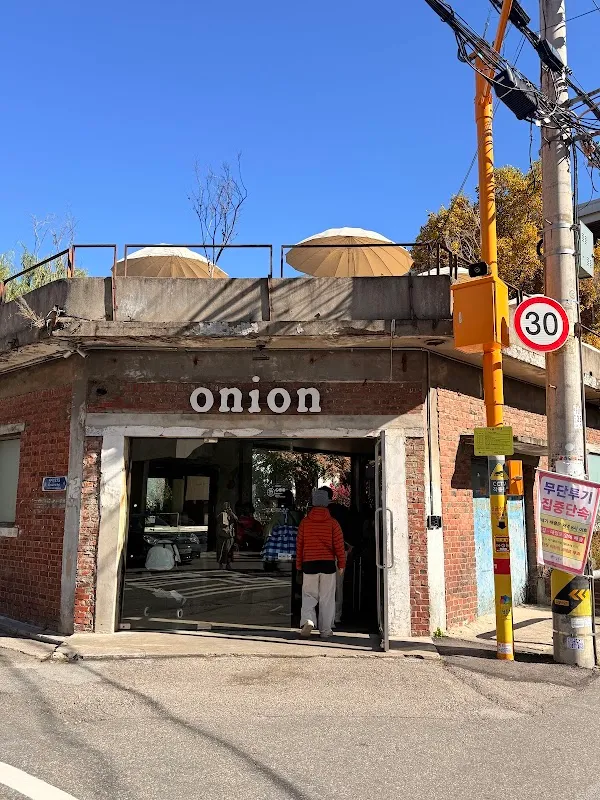
Old warehouses converted into cafes with 6-meter ceilings. Popup stores that last two weeks then vanish. A bakery inside a former printing press. The vibe is industrial-creative, but not in the manufactured way, the concrete floors are original. The rust is real.
Walk along Seongsu-ro and turn into any alley. That's the move. The best spots don't have English signs. They have plants growing through cracked walls and a line of twenty-somethings outside.
How to get there: Seongsu Station (Line 2), Exit 3. Walk 5 minutes east.
Best time: Weekday afternoons. Weekends get packed, this is where Seoul's young crowd goes.
Euljiro: Where Your Grandpa Drinks Next to a DJ
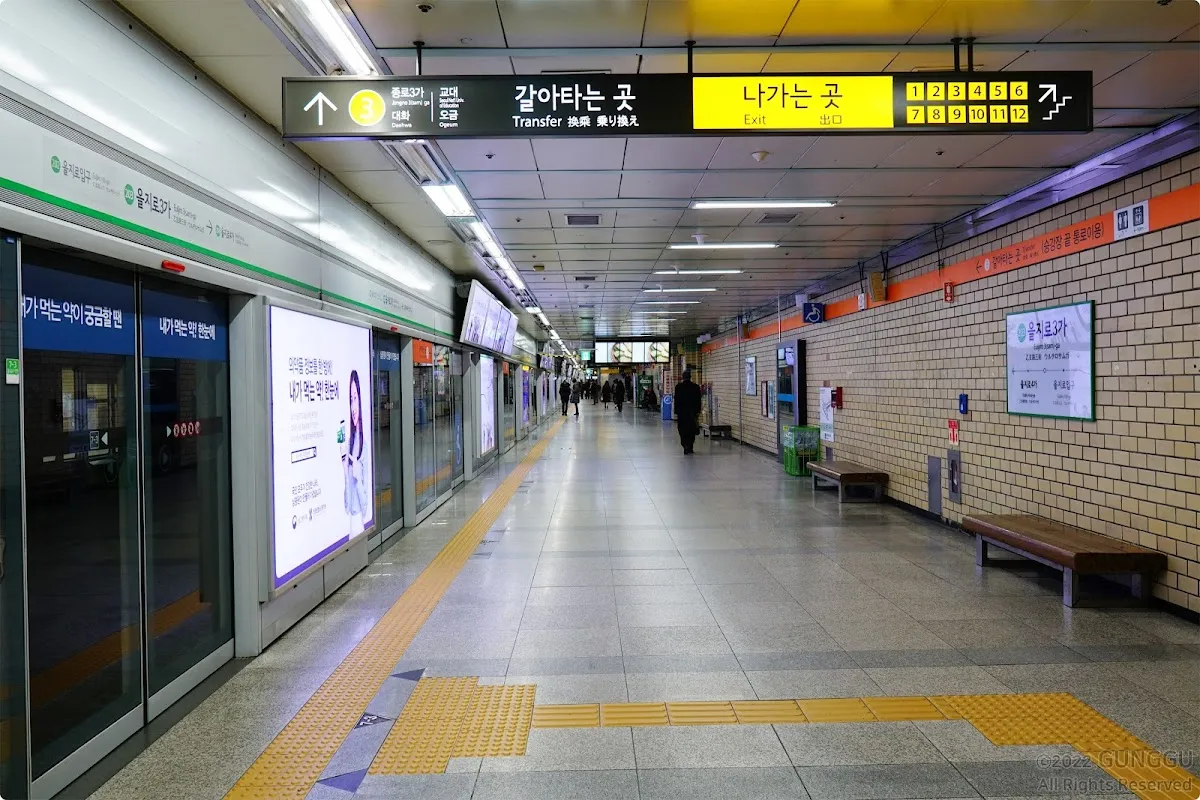
This is the weird one. Euljiro is Seoul's old industrial heart, lighting shops, metalworks, printing houses. Most of them are still open. But wedged between them, in second-floor walkups and basement spaces, is a bar and cafe scene that makes no sense until you're standing in it.
You walk past a welding shop, push open a door with no sign, climb narrow stairs, and suddenly you're in a cocktail bar with jazz playing. Next door, a 70-year-old man eats kimchi jjigae at a spot that hasn't changed since 1985. Both are real. That's Euljiro.
Euljiro's best bars are deliberately hard to find. Search "Euljiro hidden bars" on Instagram or Naver Map, not Google Maps. Koreans use Naver for local spots, and the coverage is far better.
How to get there: Euljiro 3-ga Station (Line 2/3), Exit 4. Walk into the alleys behind the main road.
Best time: After 7 PM on weeknights. The contrast between the daytime workshops and nighttime bars is half the experience.
Yeonnam-dong: The Neighborhood That Grew Up

Yeonnam-dong used to be just a residential area near Hongdae. Then one cafe opened. Then another. Then a tiny pasta place with eight seats. Now the whole neighborhood is a slow-paced collection of independent shops, and it still feels like someone's neighborhood, because it is.
The difference between Yeonnam-dong and Hongdae (10 minutes away) is the speed. Hongdae is loud and young and moving fast. Yeonnam-dong is a Sunday afternoon. Brunch at a place with three tables. A bookshop that sells only poetry. A park where couples sit on the grass and do absolutely nothing.
Walk the Yeonnam-dong Gyeongui Line Forest Park, a converted railway turned into a long, narrow urban park. Cafes line both sides. Pick one and sit.
How to get there: Hongik University Station (Line 2), Exit 3. Walk north 10 minutes.
Best time: Anytime. It's not a destination, it's a pace.
Mangwon Market: The Market Koreans Actually Use

Every guide sends you to Gwangjang Market. It's fine. It's also full of tourists taking the same photo of the same bindaetteok stall. Mangwon Market is what Gwangjang was fifteen years ago.
It's a real working market. Grandmothers buying vegetables for dinner. A tteok (rice cake) shop that's been open for decades. Fresh mandu for ₩4,000. A croquette stall with a line of locals, not influencers. The food is cheaper, the crowds are thinner, and nobody is performing for a camera.


How to get there: Mangwon Station (Line 6), Exit 2. The market entrance is 3 minutes on foot.
Best time: Late morning to early afternoon. Go hungry.
Day Trips from Seoul
Suwon Hwaseong Fortress: The UNESCO Site Nobody Visits

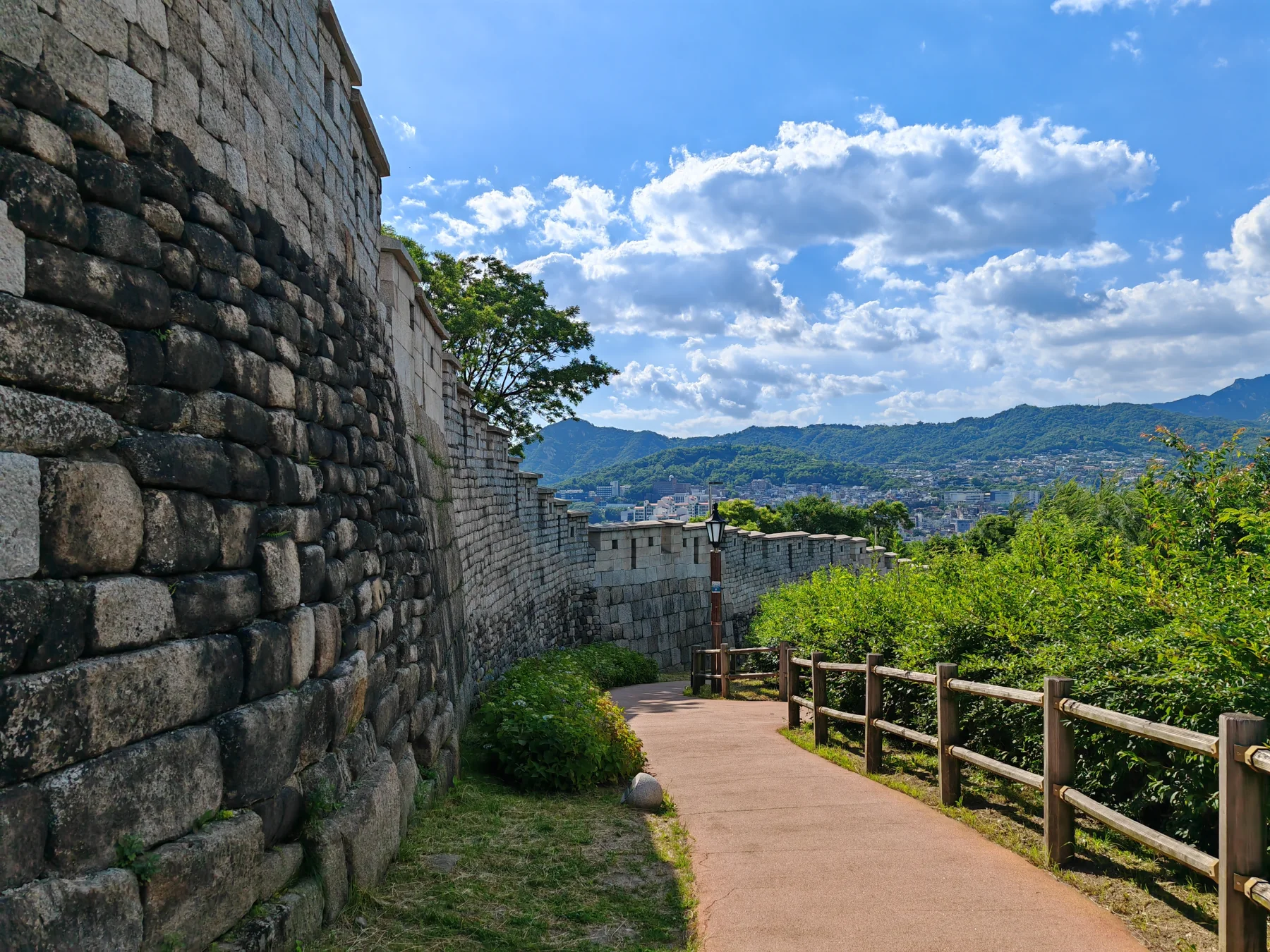
This one genuinely confuses me. Suwon Hwaseong is a UNESCO World Heritage Site. An 18th-century fortress wall that wraps 5.7 km around a living city. You can walk the entire thing. Watchtowers, gates, archery ranges, all of it intact. And yet, almost no international tourists come here.
The wall walk takes about 2 hours. You start at Paldalmun Gate, climb up to Hwaseomun, and the view opens across the city. In autumn, the fortress walls cut through red and yellow trees. In spring, cherry blossoms line the path. It's the kind of place where you stop and think: why isn't this in every guidebook?
After the walk, head to Suwon Galbi Street nearby. Suwon-style galbi (short ribs) is marinated differently, sweeter, thicker cut. It's a regional specialty and the restaurants here have been doing it for decades.
How to get there: Seoul Station → Suwon Station (Line 1, ~30 min). Bus 11 or 13 to the fortress.
Best time: Weekdays. The fortress is open sunrise to sunset. Spring and autumn are stunning.
Incheon Chinatown + Fairy Tale Village: Two Worlds, One Afternoon


Incheon is 40 minutes from Seoul and nobody goes. That's a mistake.
Start at Incheon Chinatown, the only official Chinatown in Korea. This is where jajangmyeon (black bean noodles) was born. Eat it here. The original. Walk through the red gates, grab some mooncakes, and then cross the street to Songwol-dong Fairy Tale Village.
It's a hillside neighborhood covered in murals, fairy tales, cartoon characters, painted staircases. It was a dying neighborhood that got a second life through public art. Walk up the narrow alleys and every turn is a different scene. Kids love it. Adults love it too, but they pretend they're taking photos for the architecture.
How to get there: Seoul Station → Incheon Station (Line 1, ~50 min). Chinatown is a 3-minute walk from the station.
Best time: Weekdays. Eat jajangmyeon for lunch, walk both areas in the afternoon.
Beyond Seoul
Sokcho: Where the Mountains Meet the Sea

Sokcho sits on Korea's northeast coast. Seoraksan National Park gets the hikers, but the town itself is the hidden gem.
Abai Village is a fishing community inside the city, across a small channel. You get there by a hand-pulled ferry, literally a platform on a rope that someone pulls across. On the other side: sundae (Korean blood sausage), ojingeo sundae (squid stuffed with noodles), and seafood restaurants where the fish was swimming that morning.
The Sokcho Jungang Market is raw and real. No renovation, no cute signage. Just stalls of dried fish, fresh sashimi, and dakgangjeong (sweet crispy chicken) that people drive hours for.
How to get there: Express bus from Seoul Dong Terminal (~2.5 hours). No KTX to Sokcho yet.
Best time: Summer for beaches, autumn for Seoraksan foliage. The market is year-round.
Gangneung: Korea's Coffee Capital

Gangneung is a coastal city that somehow became Korea's coffee capital. Anmok Coffee Street runs along the beach, one side is ocean, the other is an unbroken line of roasteries and cafes. Koreans come here specifically for coffee. Not the sights, not the temples. Coffee.
The reason is a man named Park Yi-choo, who opened Bohemian Coffee in the early 2000s and started a coffee culture in a city where nobody expected it. Now there are dozens of specialty roasters. The quality is genuinely high. Order a hand drip, sit facing the East Sea, and you'll understand.
While you're here, visit Gyeongpo Beach and Ojukheon, the birthplace of Korean scholar Shin Saimdang (the woman on the ₩50,000 bill).
How to get there: KTX from Seoul Station (~2 hours). Gangneung Station, then bus or taxi to Anmok Beach.
Best time: Year-round for coffee. Summer for the beach. Winter mornings have the best light over the East Sea.
Tongyeong: Korea's Naples

A port city on Korea's south coast. Koreans call it "Korea's Naples" and they're not wrong, harbor, hills, seafood, and a pace that says sit down, eat, look at the water.
Dongpirang Village is a hillside of old houses covered in murals. It was scheduled for demolition until art students started painting the walls. Now it's a permanent gallery you walk through. The higher you climb, the better the harbor view gets.
Take the Hallyeo Waterway Cable Car, one of the longest in Korea, across the strait to Mireukdo Island. The view from the top: scattered islands across turquoise water, fishing boats crawling between them. On a clear day it looks unreal.
Eat chungmu gimbap here, Tongyeong's signature dish. Tiny rice rolls served with spicy squid and pickled radish. Simple. Perfect.
How to get there: Express bus from Seoul Nambu Terminal (~4 hours), or KTX to Jinju + bus (~1 hour).
Best time: Spring and autumn. Summer is hot but the seafood peaks.
Andong Hahoe Village: Living History, No Admission Ropes

Another UNESCO site that should be overrun but isn't. Hahoe Village is a 600-year-old clan village wrapped in a river bend. Thatched roofs, mud walls, persimmon trees. People still live here. You walk through a village, not a museum.
The Hahoe Mask Dance has been performed here for centuries, it's satirical, funny, and completely unlike anything else in Korea. Catch a performance if the timing works.
Cross the river by the Buyongdae Cliff ferry for a view of the entire village from above. The river bends around the village in a near-perfect horseshoe. That's why it's called Hahoe, "river turn."
How to get there: Bus from Andong Bus Terminal (~40 min). Andong is ~2.5 hours from Seoul by express bus.
Best time: Autumn. The village surrounded by fall colors is one of Korea's most beautiful scenes.
Danyang: Cliffs, Caves, and a Gondola Over Water

Danyang is a small town in Korea's interior surrounded by limestone karst landscapes. It looks nothing like the rest of Korea. Dramatic cliffs rise straight out of rivers. Caves go deep underground with stalactites and underground lakes.
The Danyang Aquatic Gondola crosses a lake between towering cliffs. It's slow and the view is absurd, limestone pillars reflected in still water. The Gosu Cave nearby is 500 million years old and the formations inside are museum-quality.
For something different, walk the Dodamsambong trail, three rock peaks rising from the middle of a river. It's on the ₩5,000 bill and somehow most visitors to Korea never see it in person.

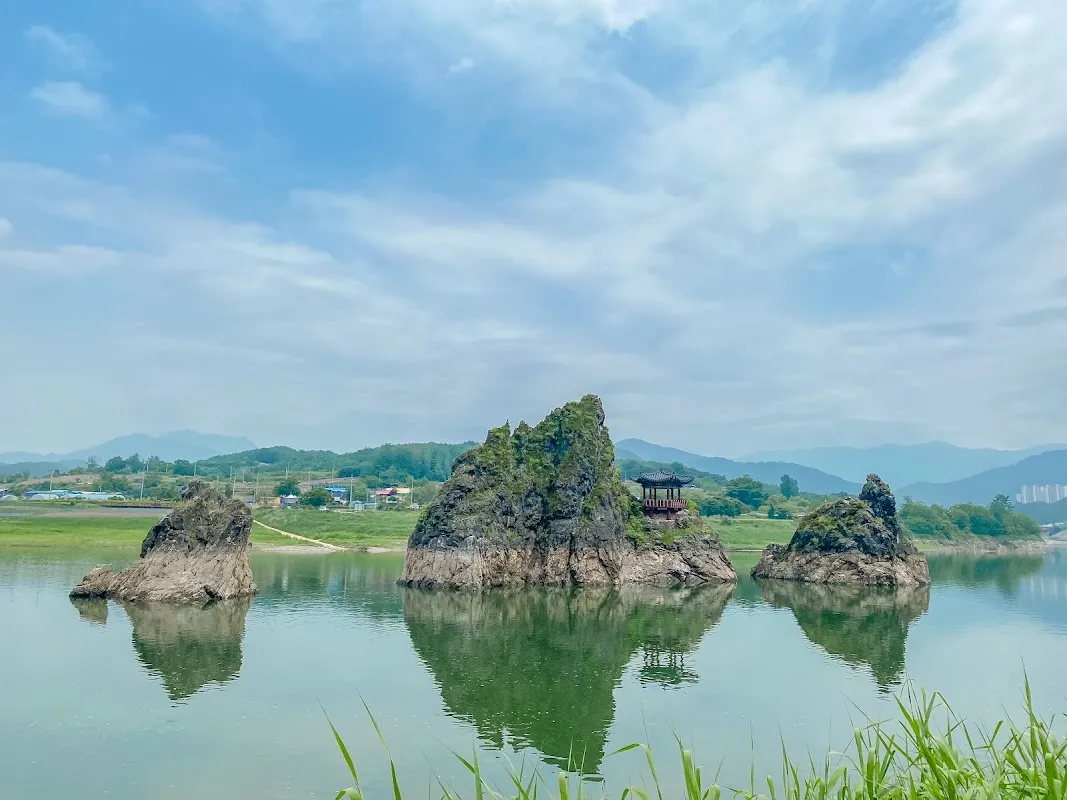
How to get there: Express bus from Seoul Dong Terminal (~2 hours). Or drive, the road through Chungju Lake is scenic.
Best time: Autumn for the cliffs. Summer for the caves (naturally cool inside). The gondola runs year-round.
How to Find Your Own Hidden Gems
The best spots aren't in any guide, including this one. Here's how Koreans find them.
Use Naver Map, not Google Maps. Google Maps in Korea is intentionally limited (national security regulations). Naver Map has every alley, every small restaurant, every bus route. Download it. Set it to English. It changes everything.
- Search Korean Instagram hashtags. Try #성수동카페 (Seongsu-dong cafe), #을지로맛집 (Euljiro restaurant), or #[neighborhood name]맛집. The algorithm shows you what's actually popular with locals right now.
- Follow the ajumma. Seriously. If a restaurant has a line of older Korean women outside, it's good. They don't mess around with food.
- Take the wrong exit. Seoul subway stations have 10+ exits. Pick one you didn't plan on. Walk three blocks in any direction. Something will be there.
- Go on weekdays. Even the "hidden" spots in this list get crowded on weekends. Tuesday afternoon at Mangwon Market is a different universe from Saturday.
- Ask your hotel staff. Not "what should I see?" but "where do you eat lunch?" That's the question that gets the real answer.
Resources
Helpful links mentioned in this article.
We may earn a small commission at no extra cost to you.