Korea Regional Food Guide: Every City Has Its Signature Dish
From Busan's 24-hour pork soup to Incheon's black bean noodles: a city-by-city guide to Korea's regional specialties with real restaurants, prices, and how to get there from Seoul.

Ask a Korean where to eat and they won't name a restaurant. They'll name a city. Busan for pork soup. Jeonju for bibimbap. Chuncheon for dakgalbi. Every city has its thing. And you can't fake it, the dish tastes different there. Something about the water, the air, the grandma who's been making it since 1962. This guide is your cheat sheet.
At a Glance
| City | Signature Dish | Price Range | From Seoul |
|---|---|---|---|
| Busan | Dwaeji-gukbap (pork soup rice) | ₩8,000-10,000 | KTX 2h 30m |
| Jeonju | Bibimbap (mixed rice bowl) | ₩10,000-13,000 | KTX 1h 40m |
| Gangneung | Chodang Sundubu (soft tofu) | ₩8,000-12,000 | KTX 2h |
| Chuncheon | Dakgalbi (spicy chicken) | ₩12,000-15,000/person | ITX 1h 20m |
| Gyeongju | Hwangnam-ppang + Gyori Kimbap | ₩3,500-5,000 | KTX 2h |
| Yeosu | Gejang (marinated raw crab) | ₩15,000-25,000 | KTX 2h 40m |
| Suncheon | Mudskipper soup + raw fish | ₩12,000-20,000 | KTX 2h 50m |
| Suwon | Wang-galbi (king short ribs) | ₩30,000-45,000 | Subway 1h |
| Incheon | Jajangmyeon (black bean noodles) | ₩7,000-9,000 | Subway 1h 10m |
| Danyang | Garlic tteokgalbi (meat patty) | ₩10,000-15,000 | Bus 2h 30m |
Busan: Pork Soup, Cold Noodles, and Raw Fish
Busan doesn't have one signature dish. It has three.
Dwaeji-gukbap is the soul food. Milky pork bone broth, tender sliced pork, rice on the side. Add salted shrimp and chopped green onions from the table. ₩8,000-10,000. Many shops run 24 hours. This is the 3 AM meal, the hangover cure, the "I just landed" welcome bowl.
Milmyeon is the summer move. Chewy wheat noodles in chilled beef broth with mustard and vinegar. Born during the Korean War when refugees couldn't get buckwheat. Get the mul-milmyeon (cold broth) or bibim-milmyeon (spicy mixed). ₩7,000-9,000.
Jagalchi Market is the raw fish experience. Korea's largest seafood market. Pick your fish on the first floor, eat it on the second. Negotiate prices before you sit, haggling is expected. The rooftop has a decent harbor view too.
Where to eat: Haeundae Wonjo Halmae Gukbap. Open 24 hours since 1962. Near Haeundae Beach. The broth is deep, not greasy. Add the chive salad and salted shrimp, that's the local way.
Getting there: KTX from Seoul Station to Busan Station, 2 hours 30 minutes. ₩59,800 one way.
Jeonju: Where Bibimbap Was Born

Come to Jeonju and skip the bibimbap? You haven't really come.
This is the birthplace. Over 30 fresh namul (seasoned vegetables), sesame oil, gochujang, and a raw egg yolk, served in a traditional brass bowl. It's richer and more elaborate than anything you'll get in Seoul. The dolsot version (hot stone pot) sizzles at the table. That crispy rice at the bottom is worth the trip alone. ₩10,000-13,000.
Don't leave without trying kongnamul-gukbap either. Bean sprout soup with rice, crack a raw egg into the piping hot broth and stir. Simple, cheap, and the best hangover food in Korea. ₩7,000-8,000.
Where to eat: Hankook Jip, near Hanok Village. Order the Jeonju Traditional Bibimbap, it comes with bean sprout soup on the side. Japanese menus available. Arrive before noon to avoid the rush.
Getting there: KTX from Yongsan to Jeonju, 1 hour 40 minutes. ₩33,800. From Jeonju Station, 15 minutes by taxi to Hanok Village.
Gangneung: Tofu Village and Coffee Capital

Gangneung does two things better than anywhere else in Korea: soft tofu and coffee.
Chodang Sundubu is the main event. A whole village of tofu restaurants using seawater from the East Sea. The tofu comes out silky and sweet, nothing like the store-bought stuff. Order the sundubu-baekban (tofu set meal) with banchan and rice. ₩8,000-12,000. Morning is best when the tofu is freshest.
Where to eat: Donghwa Garden, one of the oldest in Chodang-dong. Opens at 7 AM, perfect breakfast after watching sunrise at Gyeongpo Beach. The banchan spread is generous and the doenjang-jjigae on the side is quietly excellent.
After tofu, drive 20 minutes to Terarosa Coffee Factory. This is the roastery that put Gangneung on Korea's coffee map. A converted rural warehouse with a spacious garden. Buy same-day roasted beans to take home.
Getting there: KTX from Seoul to Gangneung, 2 hours. ₩27,600. Chodang-dong is a 15-minute taxi ride from Gangneung Station.
Chuncheon: Dakgalbi on the Iron Plate

Chuncheon invented dakgalbi and the whole city knows it. Spicy gochujang-marinated chicken, rice cakes, cabbage, and sweet potato, all stir-fried on a screaming hot iron plate right in front of you. Add cheese and it gets messy in the best way. ₩12,000-15,000 per person.
The move: order the dakgalbi with cheese, then at the end ask for bokkeumbap (fried rice). They stir-fry rice in the leftover sauce on the same iron plate. Crispy, saucy, slightly burnt edges. That's the real finish. Pair it with makguksu (cold buckwheat noodles) on the side.
Where to eat: Dakgalbi Street in the Myeongdong area, over 20 restaurants on one street. Pick any busy one. Most require a minimum order for 2, so bring a friend.
Chuncheon is close enough for a day trip, but if you go, pair it with Nami Island (30 minutes away). Dakgalbi for lunch, Nami Island in the afternoon, a solid one-day itinerary.
Getting there: ITX-Cheongchun from Yongsan to Chuncheon, 1 hour 20 minutes. ₩6,900.
Gyeongju: Ancient City Snacks

Gyeongju doesn't have one heavy signature meal. It has iconic snacks you eat while walking between thousand-year-old tombs.
Hwangnam-ppang has been baked since 1939. Sweet red bean paste stuffed in a thin pastry shell. Buy a fresh box from the original shop in Hwangnam-dong, they taste best warm. 10 pieces for about ₩15,000. Walking distance from Tumuli Park. Great souvenir too.
Gyori Kimbap is the other Gyeongju essential. A 40-year-old gimbap shop near Gyochon Village. Classic rolls, egg, carrot, burdock, spinach. Nothing fancy, everything right. The line gets long after 11:30 AM, so go early. Takeout a roll and eat it while strolling around Cheomseongdae. ₩3,500-5,000.
Where to eat: Gyori Gimbap main branch. Open 08:30-18:30. Lunch rush means 30+ minute waits, morning is your best bet.
Getting there: KTX from Seoul to Singyeongju, 2 hours. ₩33,700. Bus or taxi from Singyeongju Station to downtown (20 minutes).
Yeosu: Crab and Flatfish by the Sea

Yeosu is a port city, and it eats like one.
Ganjang-gejang (soy-marinated raw crab) is the star. Fresh flower crabs soaked in sweet soy sauce, served cold. You scoop the crab meat and roe onto rice and it disappears. Koreans call it "bap-doduk", rice thief, because you'll eat three bowls before you notice. Order the set with yangnyeom-gejang (spicy version) on the side. Rice refills are free. ₩15,000-25,000.
Seodae-hoe (flatfish sashimi) is the local sleeper hit. Seasoned flatfish salad or mul-hoe (cold raw fish soup), light, tangy, perfect with soju. One serving of seodae-hoe-muchim is enough for a solo meal. ₩12,000-15,000.
Where to eat: Kkotdol Gejang 1st Avenue. The soy + spicy crab set is the best value. Visit after 2 PM to skip the lunch rush.
Getting there: KTX from Yongsan to Yeosu-Expo, 2 hours 40 minutes. ₩44,100.
Suncheon: Bay Seafood and Bean Sprout Soup
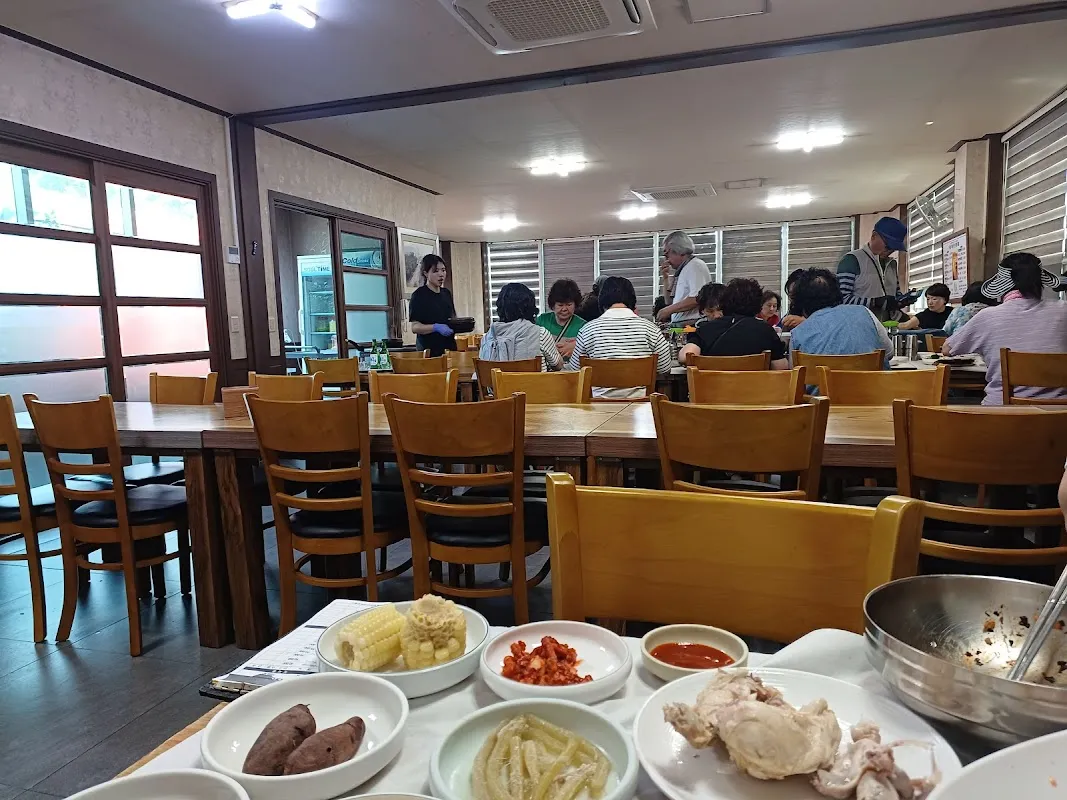
Suncheon sits next to one of Korea's most beautiful wetlands, and the food matches the setting.
At Daedae Port, right next to Suncheon Bay Wetland, you get wild-caught raw fish and jjangttungeotang, mudskipper soup. That last one sounds weird. It's a local specialty made from the mudskippers that live in the tidal flats. Rich, earthy, not available anywhere else. Perfect lunch after a morning walk through the wetland reeds. ₩12,000-20,000.
For breakfast, hit Hyundaeok for Jeonju-style kongnamul-gukbap. Crack the raw egg into the steaming soup and stir, that's the Hyundaeok signature. Light, filling, and ₩7,000-8,000. Good fuel before Suncheon Bay.
Where to eat: Daedae Seonchangjip for seafood, 5-minute walk from the wetland entrance. Hyundaeok Suncheon for morning soup.
Getting there: KTX from Yongsan to Suncheon, 2 hours 50 minutes. ₩42,300.
Suwon: The King of Galbi

Suwon galbi is different. The ribs are thick-cut, not the thin slices you see in Seoul. Marinated in sweet soy sauce, then charcoal-grilled until the edges caramelize. They call it wang-galbi (king ribs) for a reason. One serving is massive. Two people can share one order and add naengmyeon (cold noodles). ₩30,000-45,000 per serving.
Where to eat: Bonsuwon Galbi. Ten-minute walk from Hwaseong Fortress, ideal lunch after exploring the UNESCO World Heritage walls. Open 11:30-21:00.
The play: take the subway to Suwon in the morning, walk Hwaseong Fortress, eat galbi for lunch, and you're back in Seoul by dinner. One of the easiest food day trips in Korea.
Getting there: Subway Line 1 from Seoul Station to Suwon, about 1 hour. ₩1,650.
Incheon: Where Jajangmyeon Began

Every Korean has eaten jajangmyeon. Thick wheat noodles smothered in sweet black bean sauce with diced pork and vegetables. It's comfort food. Moving day food. Bad day food. Good day food. It's everything food.
And it started here, at Gonghwachun in Incheon's Chinatown. Chinese immigrants adapted Beijing zhajiangmian into something sweeter, heavier, more Korean. The original building is now the Jajangmyeon Museum (free entry, worth a stop). The new wing next door still serves the noodles. ₩7,000-9,000.
Order jajangmyeon and tangsuyuk (sweet and sour pork). That's the classic combo. Weekend lunch waits can exceed 30 minutes, weekday visits are smoother.
Where to eat: Gonghwachun, 43 Chinatown-ro, Jung-gu. After eating, walk through Chinatown, then take the stairs up to Jayu Park for a harbor view.
Getting there: Subway Line 1 from Seoul Station to Incheon, about 1 hour 10 minutes. ₩1,650. Or Airport Railroad to Incheon Station.
Danyang: Korea's Garlic Capital

Danyang is a small mountain town that grows Korea's best garlic. And they put it in everything. Garlic bulgogi. Garlic jokbal. Garlic chicken. Garlic ice cream. The one to try: garlic tteokgalbi, pork meat patties packed with local garlic, charcoal-grilled. The garlic flavor isn't sharp, it's deep and sweet from the charcoal. ₩10,000-15,000 for a set with rice and banchan.
Where to eat: Wonsi-in Garlic Tteokgalbi. Convenient lunch stop after visiting Dodamsambong Peaks nearby. Open 10:00-21:00.
Danyang is also the gateway to Sobaeksan National Park and the Gosu Cave. Combine nature and garlic, not a bad day.
June is Danyang Garlic Festival season. If you time it right, the whole town celebrates its favorite bulb with tastings, events, and enough garlic to ward off anything.
Getting there: Express bus from Dong Seoul Terminal to Danyang, about 2 hours 30 minutes. ₩15,000-18,000. No KTX, bus is the only practical option.
How to Plan a Food Trip
You don't need to pick just one city. Korea's KTX network makes multi-city food trips easy. Here are three combos that work well:
Weekend combo (2 days):
- Day 1: Seoul → Jeonju (bibimbap + Hanok Village) → sleep in a hanok
- Day 2: Jeonju → Suncheon (bay seafood) → Seoul
East Coast run (2-3 days):
- Day 1: Seoul → Gangneung (sundubu breakfast, Terarosa coffee, beach)
- Day 2: Gangneung → Gyeongju (Hwangnam-ppang, Gyori Kimbap, temple ruins)
- Day 3: Gyeongju → Busan (gukbap, Jagalchi, milmyeon) → Seoul
Day trip from Seoul (pick one):
- Suwon: subway + galbi + Hwaseong Fortress (half day)
- Incheon: subway + jajangmyeon + Chinatown walk (half day)
- Chuncheon: ITX + dakgalbi + Nami Island (full day)
Most regional restaurants are cash-friendly but increasingly accept cards. Still, keep ₩30,000-50,000 in cash for market stalls, small-town spots, and places like Chodang-dong in Gangneung where some older shops prefer cash.
Tip: Lunch is king in Korea. Most regional restaurants do their best business between 11:00 and 13:00, arrive at 11:00 or after 14:00 to avoid the worst lines. Dinner service often ends earlier than you'd expect (19:00-20:00 in smaller cities).
The Bottom Line
Seoul has great food. Nobody's arguing that. But the real food stories are outside Seoul. A 24-hour pork soup shop in Busan that hasn't closed since 1962. A tofu village in Gangneung that uses actual seawater. A grandma in Gyeongju rolling the same kimbap she's made for 40 years.
Every city earns its dish. You just have to show up, sit down, and eat.
Resources
Helpful links mentioned in this article.
We may earn a small commission at no extra cost to you.